Ramtek is the hilltop temple town many Nagpur families treat as a natural day trip. Official tourism pages put it at around 50 kilometres from the city, with a drive that typically takes about an hour, depending on traffic and your exact starting point. Just beyond the town is Khindsi Lake, which the Nagpur district page places about 3.5 kilometres from Ramtek and about 53 kilometres from Nagpur. This is our practical guide from Team Nagpurified to the Ramtek Fort Temple, the lake, how to get there, and what to check locally before you go.
We are not quoting temple hours, entry fees or boating charges here, because those can change and public listings do not always agree. Confirm timings, access and any activity that is running on the day you travel.
Why Ramtek and Khindsi Work as a Day Trip From Nagpur
The two stops sit close enough to combine in one outing. Start with the hill, then drop down to the lake, or reverse the order if you want the water first and the temple later in the day. Official tourism pages describe Ramtek as a sacred town known for the ancient Shri Ram Temple and for Khindsi Lake, and they treat the two as a paired destination rather than separate excursions.
Ramtek is believed to be a place where Lord Rama rested during his exile, as narrated in the Ramayana. Official tourism pages also link the hill to the poet Kalidasa, who is said to have written parts of his Meghaduta here. Treat those as living traditions of the place, not as claims we can independently date in this guide. What you will actually plan around is more straightforward: a hilltop temple complex, a large lake a short drive away, and enough road connections from Nagpur to make the trip realistic in a single day.
The Ramtek Fort Temple
The Ramtek Fort Temple stands on a hill, inside a historic fort. Official tourism pages describe a temple complex with numerous shrines, sculptures and artwork depicting scenes from the Ramayana, and they highlight black-stone idols of Lord Rama, Goddess Sita and Lord Lakshmana in their forest attire, which are believed to have been discovered in the nearby Dudhala tank. At the foothills, the same official account describes a massive ‘OM’ structure, stretching 350 feet in length, depicting various deities and stories from Hindu mythology.
Expect a climb. The temple is perched atop the hill, so allow time for the ascent, darshan, a look at the smaller shrines, and the views, rather than treating it as a quick roadside stop. Dress modestly, follow the temple’s footwear and photography rules, and keep the visit unhurried on crowded days.
The temple is at its liveliest around major Hindu festivals. Official tourism pages particularly mention Ram Navami, in March–April, and Kartik Purnima, in November–December, when the complex is described as coming alive with processions, devotional songs and rituals. Those days are also when access, parking and waiting times are hardest to predict, so check locally before you travel and leave a wider margin than you would on an ordinary weekday. Official pages also describe early-morning prayers and aarti as part of the daily routine. We are not quoting a clock time for those, because we did not find a single official timetable that we can stand behind.
Khindsi Lake
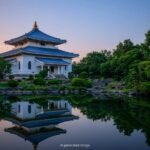
Khindsi is the lake stop that completes the Ramtek outing for many visitors. The district page describes it as a large, picturesque lake surrounded by forests, about 3.5 kilometres from Ramtek. Official tourism pages put its length at over 6.54 kilometres and describe it as one of the largest boating centres in Central India. Those are planning descriptions, not a promise of what will be running when you arrive.
Official pages list a range of water activities, including motorboats, pedal boats, rowing boats and water scooters, and tourism pages also mention kayaking and jet skiing. The district page notes an adventure park for children near the lake, and both official accounts mention jungle trekking. Tourism pages also describe the lakeside as a picnic setting, with walking trails and a chance to see local and migratory birds. Availability, operating hours and charges can change with the season, the weather and local management. Check locally before you go, and do not plan the day around a specific ride or park attraction unless you have confirmed it on the morning of your visit.
In the monsoon, official tourism pages note that heavy rainfall can sometimes make trekking and boating difficult. If you are travelling between July and September, treat the lake as a scenic stop first and confirm any water activity after you arrive.
How to Reach Ramtek and Khindsi
The simplest approach for most people in Nagpur is by road. Official tourism pages say Ramtek is well connected, with regular state transport buses and private taxis from Nagpur, and that the drive from the city takes about an hour. Check a live map from your starting point, and allow more time on weekends and festival days. Once you are in Ramtek, Khindsi is only a short further drive; the district figure is about 3.5 kilometres.
If you are arriving from outside the city, official tourism pages name Dr. Babasaheb Ambedkar International Airport in Nagpur, around 60 kilometres from Ramtek, as the nearest airport, and they put Nagpur Railway Station about 50 kilometres away. They also note that Ramtek has its own railway station, but they describe Nagpur station as the better-connected option, with frequent trains from major Indian cities. From the airport or the station, continue by taxi or bus.
Do not treat those distances as a live reading for every neighbourhood in Nagpur, or for the last stretch up to the temple. Confirm the current drop-off and parking arrangement at the base of the hill, especially if you are travelling with elderly family members.
Best Time to Visit
Official tourism pages recommend October to March, when the weather is cool and pleasant, for sightseeing and outdoor time at both Ramtek and Khindsi. If you want the temple at its busiest and most festive, they suggest planning around Ram Navami or Kartik Purnima, while a quiet weekday will feel very different from those dates.
Summers, from April to June, are described as quite hot, with temperatures soaring above 40°C, which makes the hill climb and outdoor time harder. If you do go in summer, start early, carry drinking water and sun protection, and do not pack the lake and every nearby stop into the hottest part of the day. The monsoon, from July to September, is described as turning the region green, but heavy rain can make trekking and boating difficult. Recheck the weather and local access before you leave.
Nearby Stops If You Have Time
If the temple and the lake still leave you with time, official tourism pages point to several other places around Ramtek. Kapoor Baoli is described as an ancient stepwell of architectural and historical interest. The Shantinath Digambar Jain Temple is described as having more than 1,000 years of history, with intricate carvings and a quieter atmosphere. Nagardhan Fort, associated with the Bhonsle dynasty, is a short hop from Ramtek; official tourism pages place it about five kilometres south of the town. Ambala Lake is mentioned as a quieter, lesser-known waterbody if you want a less crowded pause.
Pench is also on this side of Nagpur district, and it is a different kind of trip: a booked safari, not a casual add-on between temple and lake. If you are planning a wildlife day rather than squeezing it into the same outing, use our earlier Pench safari guide from Nagpur.
Practical Tips
Confirm temple access and any special arrangements on festival days before you leave Nagpur. Allow time for the hill climb, darshan and the descent; do not treat Ramtek as a ten-minute stop. Check boating, water sports and the children’s adventure park locally before you go, and do not rely on a previous visit or a generic listing. Carry drinking water, sun protection and a modest layer for the temple, because the hill can feel hotter than the city road. Keep children close at the water’s edge, follow any local safety instructions, and carry your waste back with you.
A day trip from Nagpur is often realistic, because the drive is around an hour, but a relaxed plan is temple plus lake, not temple, lake, fort, stepwell and a safari in one sweep.
Planning notes in this guide were checked on the official Maharashtra tourism page for Ramtek and Khindsi, and on the Nagpur district page for Khindsi Lake, on 17 November 2026. Local notices on the day you travel take precedence. Access, timings and activities are not guaranteed.
Frequently Asked Questions
How far is Ramtek from Nagpur?
Official tourism pages put Ramtek at around 50 kilometres from Nagpur, with a drive that typically takes about an hour. Treat that as a planning figure, and check a live map from your exact starting point, especially on weekends and festival days.
How far is Khindsi Lake from Ramtek and Nagpur?
The Nagpur district page places Khindsi Lake about 3.5 kilometres from Ramtek and about 53 kilometres from Nagpur. It is a short further drive once you are already in Ramtek, not a separate long excursion.
How do I get to Ramtek and Khindsi from Nagpur?
The simplest route for most people is by road, using a state transport bus, a private taxi or your own vehicle. Official tourism pages also name Dr. Babasaheb Ambedkar International Airport in Nagpur, around 60 kilometres from Ramtek, as the nearest airport, and they put Nagpur Railway Station about 50 kilometres away. Ramtek has its own railway station, but they describe Nagpur station as the better-connected option.
What is the best time to visit Ramtek and Khindsi Lake?
Official tourism pages recommend October to March, when the weather is cool and pleasant. Summers, from April to June, can go above 40°C, which makes the hill climb harder. During the monsoon, from July to September, heavy rain can make trekking and boating difficult. Festival days such as Ram Navami and Kartik Purnima are livelier, and also more crowded.
Are boating and water sports available at Khindsi Lake?
Official pages list motorboats, pedal boats, rowing boats and water scooters, and tourism pages also mention kayaking and jet skiing. An adventure park for children and jungle trekking are also mentioned. Availability, timings and charges can change, so check locally before you go and do not plan the day around a specific activity until you have confirmed it.
What are the temple timings and entry fees at Ramtek?
We are not quoting a timetable or an entry fee, because public listings do not all agree and arrangements can change, especially on festival days. Check locally before you travel, and allow extra time for the hill climb, darshan and the descent.
Can I do Ramtek and Khindsi as a day trip from Nagpur?
Yes. The two stops are close to each other, and the drive from Nagpur is typically about an hour. A relaxed day is temple plus lake. Leave nearby forts, stepwells and a Pench safari for another outing, rather than trying to fit everything into the same day.
What else can I see near Ramtek?
Official tourism pages also mention Kapoor Baoli, the Shantinath Digambar Jain Temple, Nagardhan Fort about five kilometres south of Ramtek, and Ambala Lake. Pench is on this side of Nagpur district too, but it is a booked safari rather than a casual add-on. Use our Pench safari guide from Nagpur if that is the trip you are planning.
Related Posts